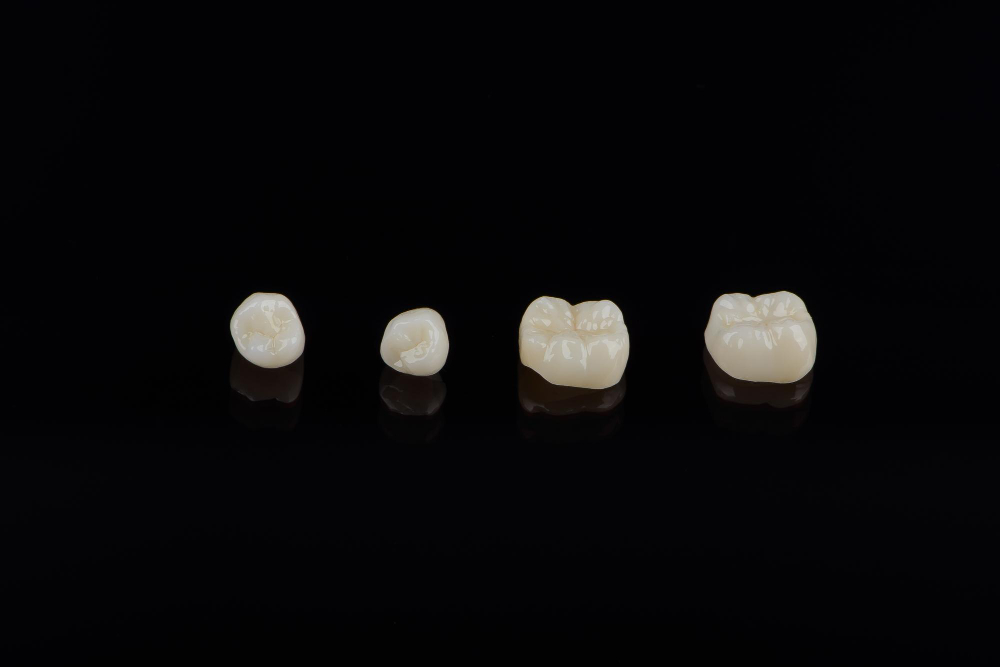
What Are Dental Crowns?
Dental crowns are covers placed over damaged or weak teeth. They help protect the tooth and restore its shape. In many cases, crowns also improve how a tooth looks. There are several types of dental crowns, each with unique features. Dentists use crowns to help patients keep their natural teeth longer.
Why Are Dental Crowns Needed?
Sometimes, a tooth becomes weak or broken. In these cases, a dental crown can help. For example, crowns are used when a tooth has a large filling or after a root canal. In addition, crowns can hold a dental bridge in place. They also cover dental implants. Dentists may suggest crowns to protect teeth from further damage. Because crowns are strong, they can last for many years with proper care.
Types of Dental Crowns
There are different types of dental crowns. Each type has its own benefits and uses. Choosing the best dental crown material depends on your needs and your dentist’s advice. Below are the most common types:
Porcelain Crowns
Porcelain crowns look very natural. They match the color of your teeth. For this reason, many people choose them for front teeth. However, porcelain crowns can chip more easily than some other types. They are a good choice if you want a crown that blends in with your smile.
Ceramic Crowns
Ceramic crowns are similar to porcelain crowns. They are also tooth-colored and look natural. In addition, ceramic crowns are strong and work well for people with metal allergies. Dentists often use them for front or back teeth.
Metal Crowns
Metal crowns are made from gold, platinum, or other metal alloys. Although they do not look like natural teeth, they are very strong. Metal crowns rarely break or chip. Dentists often use them for back teeth where strength matters most. Because they last a long time, they are a good option for molars.
Porcelain-Fused-to-Metal Crowns
Porcelain-fused-to-metal crowns combine metal strength with a tooth-colored look. The inside is metal, while the outside is porcelain. This type is strong and looks more natural than full metal crowns. However, sometimes the metal may show as a dark line at the gum. Still, many people choose them for both front and back teeth.
Resin Crowns
Resin crowns are made from a special plastic material. They are less expensive than other types. However, resin crowns can wear down or break more easily. Dentists may use them as a temporary solution. They are not as strong as metal or porcelain crowns.
Zirconia Crowns
Zirconia crowns are very strong and long-lasting. They are made from a white metal called zirconium. In addition, zirconia crowns can be matched to your tooth color. Many dentists recommend them for both front and back teeth. Because they are tough, they are less likely to crack or chip.
How to Choose the Right Dental Crown
Choosing the best dental crown material depends on several factors. For example, your dentist will look at:
Because each type has pros and cons, your dentist can help you decide. They may also discuss options like porcelain vs metal crowns to find what works best for you.
Care and Maintenance of Dental Crowns
Proper dental crown care helps crowns last longer. Although crowns are strong, they still need attention. Here are some tips to keep your crown in good shape:
With good care, most crowns can last many years. In fact, some may last over a decade.
Potential Risks and Complications
While dental crowns are safe, there can be some risks. For example, some people may feel sensitivity to hot or cold foods. Sometimes, a crown can become loose or fall off. In rare cases, the crown may chip or crack. If you notice pain or swelling, contact your dentist. Early care can prevent bigger problems. According to dental experts, most issues can be fixed quickly if caught early.
Prioritise your oral health with trusted care Consult Dr. M. Sai Teja Reddy