
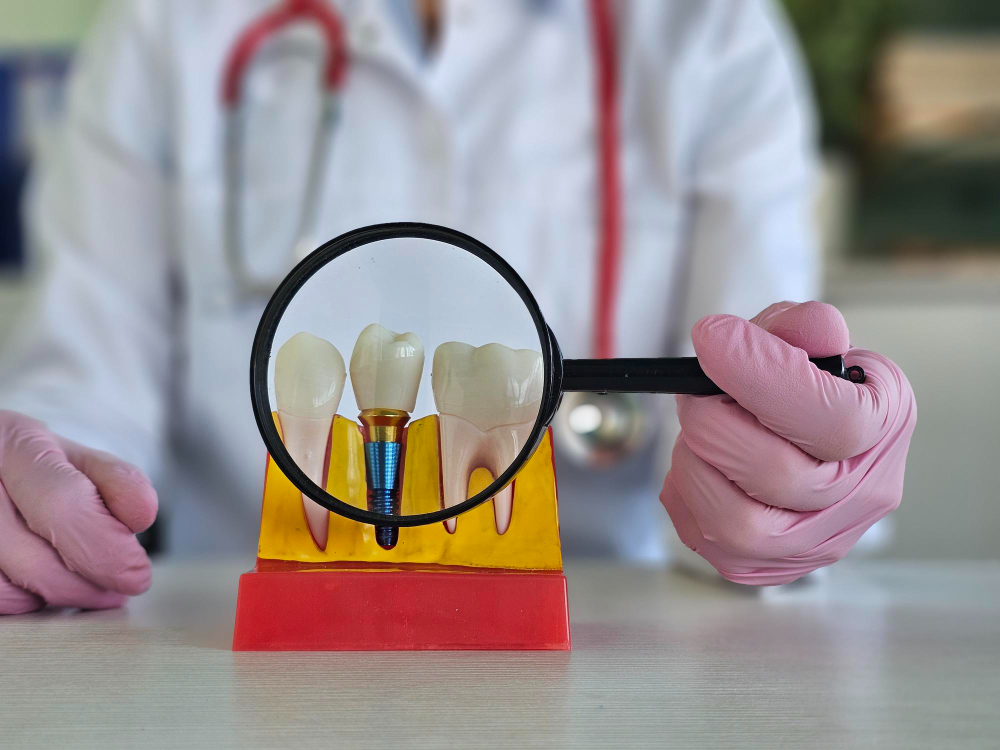
If you have been told there is not enough bone for an implant, you may feel worried. However, you are not alone. Many people face this issue when they want dental implants. The good news is that dental implant bone loss solutions are available. In this blog, you will learn what causes bone loss, how it is diagnosed, and what options you have for treatment.
What Does It Mean to Have Not Enough Bone for an Implant?
For a dental implant to work, it needs strong bone in your jaw. Sometimes, there is not enough bone to hold the implant in place. As a result, the implant may not stay secure. This can make the procedure more difficult. Yet, dentists have ways to help rebuild or support your jawbone. Because of new techniques, more people can get implants even with bone loss.
Common Causes of Bone Loss in the Jaw
Several factors can lead to bone loss in the jaw. Often, missing teeth cause the bone to shrink over time. Without a tooth, the jawbone does not get the pressure it needs to stay strong. In addition, gum disease can damage bone and tissue. Other causes include:
According to the Centers for Disease Control and Prevention (CDC), gum disease is a leading cause of tooth and bone loss in adults.
How Dentists Diagnose Bone Loss Before Implants
Before placing a dental implant, your dentist will check your jawbone. First, they will look at your mouth and take a dental X-ray. Sometimes, they use a CT scan for a clearer picture. This helps them see how much bone is left. If you want dental bone grafting options in your area, your dentist can guide you based on these images. Because each person is different, your dentist will make a plan that fits your needs.
Treatment Options When There Is Not Enough Bone for an Implant
Even if you do not have enough bone, there are several dental implant bone loss solutions. Here are some common options:
Because each treatment has pros and cons, your dentist will help you choose the best one.
Recovery and What to Expect After Bone Augmentation Procedures
After bone grafting or a sinus lift, you will need time to heal. Usually, healing takes several months. During this time, the new bone joins with your jaw. While you heal, you may have some swelling or mild pain. Your dentist will give you care instructions to help you recover. For example, you may need to eat soft foods and avoid smoking. In most cases, you can return to normal activities in a few days. However, the full healing process takes longer before an implant can be placed.
Tips to Prevent Bone Loss in the Future
Although bone loss can happen, you can take steps to protect your jaw. Here are some tips:
Because prevention is key, following these steps can help keep your jaw strong. Consult Dr. M. Sai Teja Reddy for right care and support.