Myofunctional appliances for children are special dental devices. They help guide jaw growth and fix bite problems in kids. These appliances are often used by dentists and orthodontists. In many cases, they can prevent bigger dental issues later. Because early care is important, parents often ask about myofunctional appliances for children. Understanding how these devices work can help you support your child’s dental health.
What Are Myofunctional Appliances?
Myofunctional appliances are dental tools made for growing children. They gently guide the jaws and teeth into better positions. Usually, these appliances are used in pediatric dentistry. They help fix problems before permanent teeth come in. For example, they can help with jaw growth in kids and improve how teeth fit together. Unlike braces, these devices often work by changing muscle habits and jaw movement. As a result, they support natural growth and healthy smiles.
Common Symptoms and Dental Issues Addressed
Sometimes, children show signs that may need myofunctional appliances. Early signs can include:
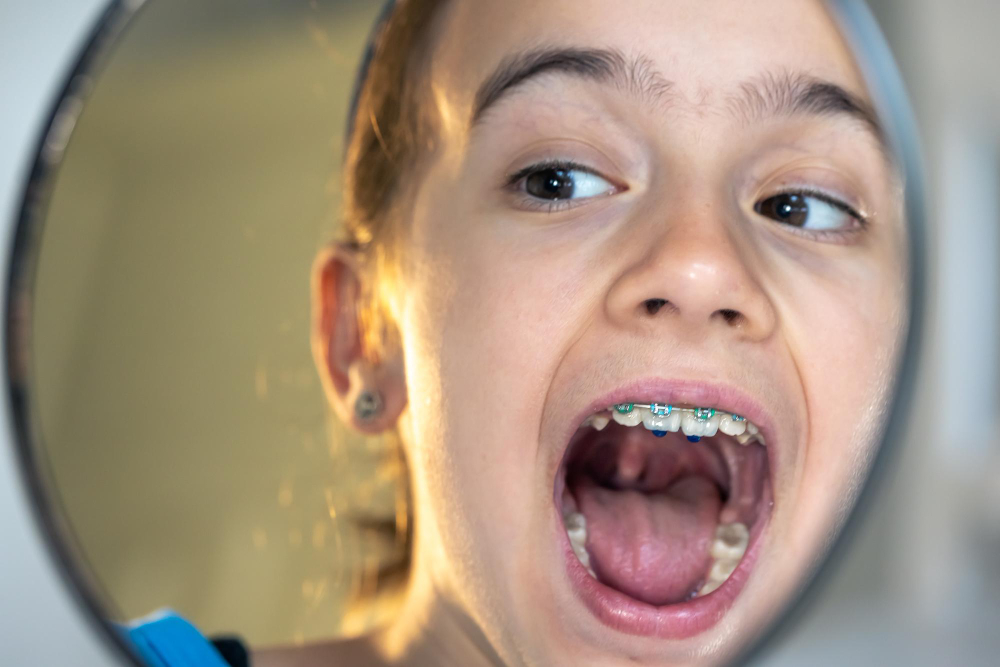
Additionally, bite correction in children is often needed for issues like overbite, underbite, or crossbite. These problems are called malocclusion. If left untreated, they can affect eating, speaking, and even self-confidence. Myofunctional appliances for children can also help stop harmful oral habits that affect jaw growth.
Causes of Jaw and Bite Problems in Children
Many factors can lead to jaw and bite problems in kids. For instance, genetics can play a big role. If parents had similar issues, their children might too. However, habits like thumb sucking, mouth breathing, or using a pacifier for too long can also affect jaw growth in kids. Sometimes, early loss of baby teeth or crowded teeth can cause bite problems. Because these issues can get worse over time, early intervention is very important. According to the American Association of Orthodontists, children should have their first orthodontic checkup by age seven.
Diagnosis and Assessment
Dentists and orthodontists use several steps to diagnose jaw and bite issues. First, they will ask about your child’s habits and health history. Next, they will examine the mouth, teeth, and jaw movement. Often, dental X-rays or special photos are taken. These images help the dentist see how the jaws and teeth fit together. Sometimes, dental molds are made to study the bite more closely. With all this information, the dentist can decide if myofunctional appliances for children are needed.
Types of Myofunctional Appliances
There are several types of children’s dental appliances. Each type is chosen based on the child’s needs. Common types include:
Each type of appliance has a special purpose. Your dentist will choose the best one for your child’s bite correction needs.
Treatment Process and What to Expect
The treatment journey with myofunctional appliances for children usually starts with a dental visit. First, the dentist will fit the appliance to your child’s mouth. Sometimes, this means taking a mold or scan of the teeth. After fitting, your child will need regular checkups for adjustments. These visits help make sure the appliance is working well. At first, your child may feel some discomfort or pressure. However, this usually goes away after a few days. To help your child adjust, encourage soft foods and good oral hygiene. Most children get used to their appliances quickly. Regular follow-up care is important for the best results.
Benefits of Myofunctional Appliances in Children
Myofunctional appliances offer many benefits for children. Some key advantages include:
Because these appliances work with natural growth, they can make future dental care easier and less costly.
Prevention and Lifestyle Guidance
Parents can help support healthy jaw growth in kids with simple steps. For example, encourage your child to breathe through the nose and avoid thumb sucking. Offer healthy foods that need chewing, like fruits and vegetables. Regular dental visits are also important. Early screening helps catch problems before they get worse. If you notice signs of bite or jaw issues, talk to your dentist right away. With the right care and habits, children’s dental appliances can work even better.