Dentures vs Fixed Teeth: Understanding Your Options for Tooth Replacement

When you lose teeth, you may wonder about the best way to restore your smile. Dentures vs fixed teeth is a common topic for many people. You might ask, “What is the difference between dentures and fixed teeth?” or “How do I choose between dentures and implants?” Understanding your dental restoration options can help you make the right choice. This guide will explain the basics, pros, cons, and care tips for both dentures and fixed teeth.

What Are Dentures?

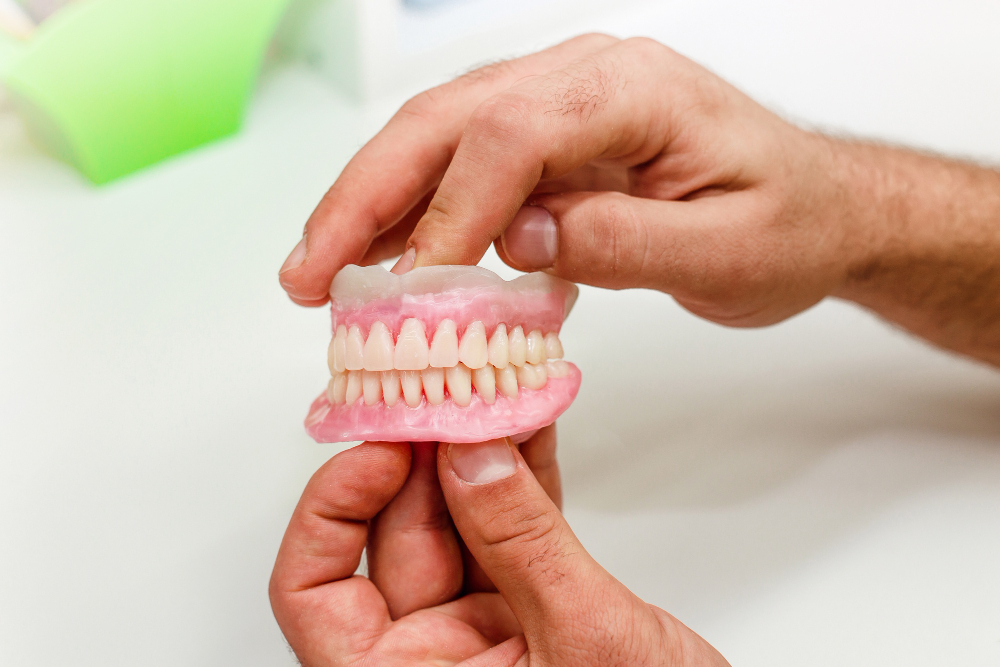
Dentures are removable devices that replace missing teeth. They fit over your gums and help you eat, speak, and smile. Usually, dentures are made from plastic or a mix of plastic and metal. There are two main types:

  • Full dentures: Replace all teeth in the upper or lower jaw.
  • Partial dentures: Replace a few missing teeth and attach to your natural teeth.
  • Because dentures are not fixed, you can take them out for cleaning or sleeping.

    What Are Fixed Teeth?

    Fixed teeth are dental restorations that stay in your mouth. They are often called dental implants or bridges. With fixed teeth, your dentist attaches artificial teeth to your jawbone or nearby teeth. These options look and feel more like natural teeth. There are two main types:

  • Dental implants: Metal posts placed in the jawbone, topped with artificial teeth.
  • Dental bridges: Artificial teeth held in place by crowns on nearby teeth.
  • Since fixed teeth do not come out, they offer a stable and lasting solution.

    Key Differences Between Dentures and Fixed Teeth

    Although both options replace missing teeth, there are some key differences. Here are the main points to consider:

  • Removability: Dentures can be taken out, but fixed teeth stay in place.
  • Stability: Fixed teeth feel more secure when eating or speaking.
  • Appearance: Fixed teeth often look more natural.
  • Comfort: Some people find fixed teeth more comfortable.
  • Care: Dentures need to be removed for cleaning, while fixed teeth are brushed like natural teeth.
  • Pros and Cons of Dentures

    Like any dental solution, dentures have advantages and drawbacks. Let’s look at both sides:

  • Pros:
  • Usually less expensive than fixed teeth
  • Non-surgical option
  • Can be made quickly
  • Easy to adjust or replace
  • Cons:
  • May slip or move while eating or talking
  • Can feel bulky or uncomfortable at first
  • Need to be removed for cleaning
  • May affect taste or speech
  • Pros and Cons of Fixed Teeth

    Fixed teeth also have their own set of benefits and challenges. Here’s what you should know:

  • Pros:
  • Feel and look like natural teeth
  • Do not move or slip
  • Allow normal eating and speaking
  • Easy to care for with regular brushing
  • Cons:
  • Usually cost more than dentures
  • May require surgery (for implants)
  • Not everyone is a good candidate
  • Longer treatment time
  • How to Choose the Right Option for You

    Choosing between dentures and fixed teeth depends on your needs and health. For example, your jawbone strength, budget, and lifestyle all play a role. Consider these points:

  • How many teeth are missing?
  • Do you want a removable or fixed solution?
  • Are you willing to have surgery?
  • What is your budget?
  • What does your dentist recommend?
  • Because every person is different, it’s best to talk with a dental specialist. They can help you decide based on your mouth and health.

    Cost Comparison

    Cost is a big factor for many people. In general, dentures are less expensive than fixed teeth. However, prices can vary based on:

  • Type of denture or fixed teeth
  • Materials used
  • Number of teeth replaced
  • Your location and dental clinic
  • While dentures may cost less at first, fixed teeth can last longer. Sometimes, this means fewer replacements over time. Always ask your dentist for a clear cost estimate.

    Care and Maintenance Tips

    Proper care helps your dental restoration last longer. Here are some tips for each option:

  • Dentures:
  • Remove and rinse after eating
  • Brush daily with a soft brush
  • Soak in a denture cleaner overnight
  • Visit your dentist for regular checks
  • Fixed Teeth:
  • Brush and floss like natural teeth
  • Use a soft toothbrush
  • See your dentist for cleanings and exams
  • Avoid biting hard objects
  • Frequently Asked Questions

  • Are dentures or fixed teeth better?
  • It depends on your needs, health, and budget. Both have pros and cons.
  • How long do dentures last?
  • With good care, dentures can last 5 to 8 years. They may need adjustments over time.
  • Are fixed teeth permanent?
  • Fixed teeth like implants can last many years, sometimes a lifetime, with proper care.
  • Is the process painful?
  • Dentures are usually painless to fit. Fixed teeth may need surgery, but your dentist will use numbing medicine.
  • Can I eat normally?
  • With fixed teeth, you can eat most foods. Dentures may need some time to get used to.
  • Conclusion

    Choosing between dentures and fixed teeth is a personal decision. Both options can restore your smile and confidence. However, your dentist can help you find the best tooth replacement option for your needs. Schedule a visit with Dr. Dr. M. Sai Teja Reddy  to discuss your choices and get expert advice.