
Introduction: What Is TMJ Disorder?
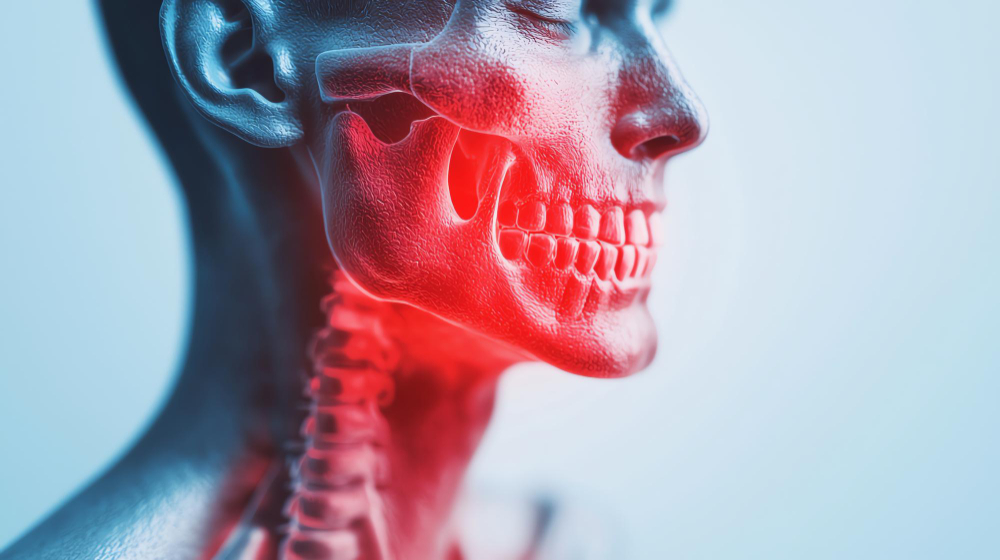
Do you often feel pain in your jaw? If so, you might have a TMJ disorder. TMJ stands for temporomandibular joint. This joint connects your jaw to your skull. When it does not work well, it can cause jaw pain and other problems. In fact, TMJ disorder is a common reason for jaw pain. According to the National Institutes of Health, millions of people experience TMJ symptoms each year. Understanding this condition can help you find relief.
Symptoms of TMJ Disorder
TMJ disorder can cause many symptoms. Some are mild, while others can affect your daily life. For example, you may notice pain or tightness in your jaw. However, other signs can also appear. Watch for these common TMJ symptoms:
Sometimes, these symptoms come and go. Yet, for some people, they last a long time. If you notice any of these signs, it is important to pay attention.
Common Causes and Risk Factors
Many things can lead to TMJ disorder. Often, the exact cause is not clear. However, some common jaw pain causes and risk factors include:
Additionally, women are more likely to develop TMJ disorder than men. Age can also play a role, as TMJ symptoms often appear between ages 20 and 40.
Diagnosis Methods
If you have jaw pain, a dentist or doctor can help find the cause. First, they will ask about your symptoms and health history. Next, they will examine your jaw. They may listen for clicking sounds or feel for tenderness. Sometimes, they will check how wide you can open your mouth. In some cases, your provider may order tests such as:
These tests help rule out other jaw pain causes and confirm TMJ disorder.
Treatment Options for TMJ Disorder
There are many ways to treat TMJ disorder. The right treatment for jaw pain depends on your symptoms and their cause. Often, simple steps can help. However, some people may need medical or dental care. Common treatment options include:
Self-Care and Home Remedies
Medical and Dental Treatments
Most people improve with simple treatments. Yet, it is important to follow your provider’s advice.
Lifestyle Tips and Prevention
While you cannot always prevent TMJ disorder, some habits can lower your risk. For example, try these lifestyle tips:
By making these changes, you can help protect your jaw and ease TMJ symptoms.
When to See a Dentist or Specialist
Sometimes, jaw pain goes away on its own. However, you should see a dentist or specialist if:
Early care can prevent problems from getting worse. Therefore, do not wait if you have ongoing jaw pain.
Conclusion
In summary, TMJ disorder is a common cause of jaw pain. It can affect your daily life, but many treatments are available. Early evaluation can help manage TMJ-related discomfort effectively. Consult Dr. M. Sai Teja Reddy for personalized dental care and treatment solutions.