Introduction
Full mouth rehabilitation is a dental treatment that restores all teeth in your mouth. This process, also called full mouth reconstruction, helps people with many dental issues. It combines several restorative dentistry solutions to improve both function and appearance. For many, full mouth rehabilitation is important because it brings back dental health and boosts confidence. If you have damaged, missing, or worn teeth, this treatment can give you a fresh start. In this blog, you will learn what full mouth rehabilitation is, why it matters, and how it can help you smile again.
What is Full Mouth Rehabilitation?
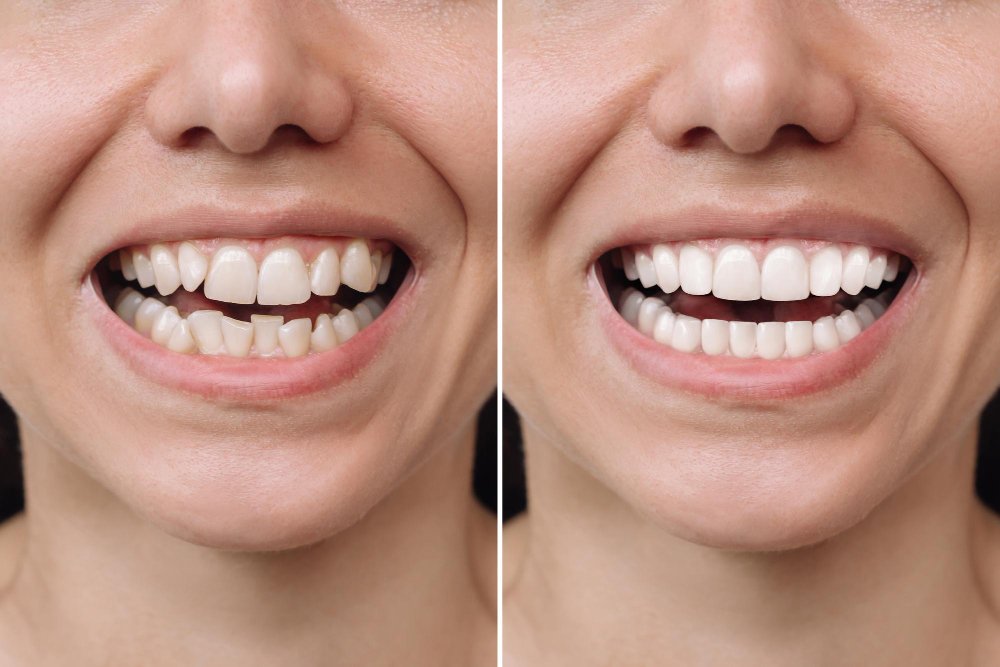
Full mouth rehabilitation is a set of dental procedures that rebuild or replace all teeth in the upper and lower jaws. Dentists use this approach for people with severe dental problems. For example, it may include crowns, bridges, dental implants, or veneers. Each plan is unique and tailored to your needs. Not only does it restore chewing and speaking, but it also improves your smile’s look. Because it uses advanced smile makeover procedures, you can expect a natural and healthy result.
Common Symptoms and Dental Issues Addressed
Many people seek full mouth rehabilitation for several reasons. Often, they have:
Additionally, some may notice changes in their bite or jaw alignment. If you have several of these issues, full mouth reconstruction may be right for you.
Causes and Risk Factors
There are many reasons why someone might need full mouth rehabilitation. For instance, causes include:
Moreover, risk factors such as poor oral hygiene, smoking, and certain medical conditions can increase the need for restorative dentistry solutions. Early treatment can help prevent more serious problems.
Diagnosis and Assessment Process
First, your dentist will do a full exam of your mouth. They may take X-rays, photos, and dental impressions. Next, they will check your teeth, gums, jaw joints, and bite. Sometimes, they use digital scans for a detailed look. After gathering all information, your dentist will discuss your needs and goals. Then, they create a step-by-step treatment plan just for you. This careful assessment ensures the best results for your smile makeover procedures.
Treatment Options and Procedures
Full mouth rehabilitation uses many dental treatments. Depending on your needs, your plan may include:
Because each case is different, your dentist will explain which restorative dentistry solutions are best for you. Often, treatment happens in stages for comfort and safety.
Benefits and Expected Outcomes
Full mouth rehabilitation offers many benefits. For example, you may notice:
Most people feel happier and more confident after treatment. According to the World Health Organization, good oral health is linked to better well-being. With the right care, your results can last for many years.
Recovery, Aftercare, and Lifestyle Tips
After full mouth rehabilitation, you will need some time to heal. Your dentist will give you clear aftercare instructions. For example, you may need to:
Additionally, avoid smoking and limit sugary foods. With good care, your new smile will stay healthy and bright.
Prevention and Long-Term Oral Health Maintenance
To keep your mouth healthy after rehabilitation, follow these tips:
Because prevention is key, these habits help protect your investment and support long-term oral health.
Conclusion
Full mouth rehabilitation can restore your smile and improve your life. If you have many dental problems, this treatment may be right for you. For the best results, consult a dental specialist Dr. M. Sai Teja Reddy. They can create a plan tailored to your needs and guide you every step of the way.